
Faculty of Education and Communication
The future of Namibia is built on the education of its people. A career in education is not only intellectually stimulating and deeply rewarding, but also essential to the social, economic, and human development of the nation. In response to this vital responsibility, the Faculty of Education and Communication at International Training College–Lingua offers innovative, relevant, and professionally aligned qualifications that prepare graduates to make a meaningful impact in the education sector. The Faculty is dedicated to developing competent teachers, educational psychologists, education managers, and policymakers who are equipped to meet the evolving demands of modern education. Through a blend of academic excellence, practical training, and professional engagement, students are empowered to confidently address contemporary challenges within educational environments. Few professions offer the lasting impact and fulfilment found in education. There is no better place to begin or advance your educational career than the Faculty of Education and Communication at International Training College–Lingua. The Faculty provides pathways for individuals seeking to become fully qualified and professionally registered teachers across a range of educational phases, while also offering advanced postgraduate opportunities. Graduates of the Faculty are well-informed, skilled, and ethical professionals who inspire learning, shape young minds, and contribute positively to national development.
EARLY CHILDHOOD DEVELOPMENT PROGRAMMES
Certificate in Early Childhood Development NQF Level 3
NQF Level: 3
Mode of Study: Full-Time / Part-Time / Distance
Duration: 1 Year
Programme Description
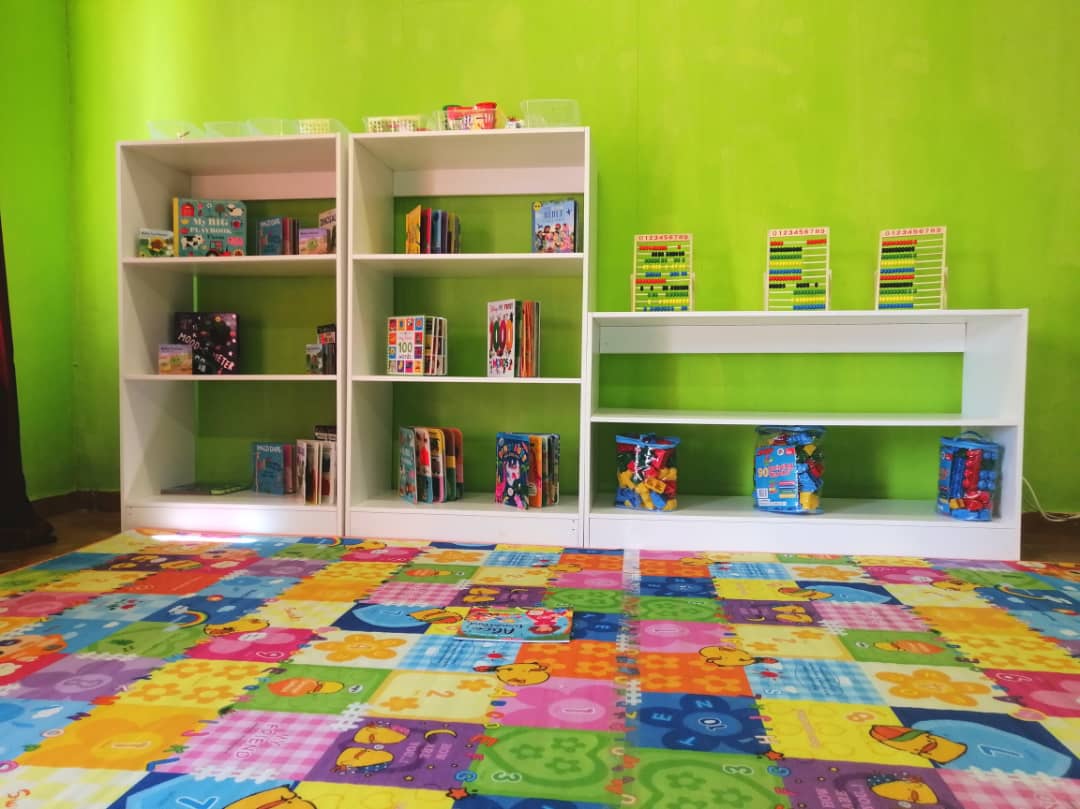
The Certificate in Early Childhood Development (Level 3) is an entry-level qualification designed for individuals seeking to enter the Education, Training and Development sector, with a specific focus on Early Childhood Development (ECD). The programme prepares learners for roles as assistant teachers or caregivers, supporting the holistic development of young children during their formative years.
This qualification equips learners with essential knowledge, practical skills, and professional attitudes to facilitate cognitive, emotional, social, physical, and creative development in young children. The programme emphasizes inclusive, culturally responsive, and child-centred practices, including support for children with special needs. Graduates are prepared to provide quality early childhood development services across diverse settings such as ECD centres, community-based programmes, home-based care, and institutional environments.
Entry Requirements
Applicants may enter this qualification if they meet any of the following criteria:
Obtained less than 14 points in six subjects in the NSSCO/H or equivalent
Hold a Grade 10 certificate or equivalent
Possess an NQF Level 2 qualification from a recognised institution
Certificate in Early Childhood Development NQF Level 4
Mode of Study: Full-Time / Part-Time / Distance
Duration: 1 Year
Programme Description
The Certificate in Early Childhood Development (Level 4) prepares learners to operate as competent Early Childhood Development Practitioners capable of delivering quality services in both centre-based and non-centre-based ECD settings. Given the growing demand for professional early childhood development services, this qualification addresses the need for skilled practitioners who can support young children’s development during their critical early years.
The programme equips learners with the knowledge, practical skills, and professional competencies required to promote holistic child development, with a strong emphasis on inclusive education, child health, safety, and well-being. It enables practitioners to effectively respond to diverse learning needs and developmental contexts, while adhering to ethical and professional standards. Graduates are prepared to contribute meaningfully to the ECD sector across a variety of educational, community, and care-based environments.
Entry Requirements
Applicants may enter this qualification if they meet any of the following criteria:
A Namibia Senior Secondary Certificate Ordinary (NSSCO) or Advanced Subsidiary (AS) with a minimum of 14 points in six subjects
An NQF Level 3 qualification from a recognised institution
Diploma in Early Childhood Development NQF Level 5
Mode of Study: Full-Time / Part-Time / Distance
Duration: 1 Year
Programme Description
The Diploma in Early Childhood Development (Level 5) is designed to prepare qualified Early Childhood Development practitioners with the knowledge, skills, and professional competencies needed to support optimal education and developmental outcomes for children from birth to six years.
This programme equips learners with a strong foundation in child development, early learning methodologies, classroom management, inclusive education, and practical ECD skills, ensuring that graduates can deliver high-quality services in pre-school settings. The qualification addresses the need for competent staff in Namibia’s ECD centres, enabling children to access appropriate and professional early learning experiences.
Graduates are prepared for employment in ECD centres, community programmes, or other early childhood education settings, while also gaining a solid base for further study in higher-level ECD qualifications.
Entry Requirements
Applicants may enter this qualification if they meet any of the following criteria:
Namibia Senior Secondary Certificate Ordinary (NSSCO) or Advanced Subsidiary (AS) with a minimum of 25 points in six subjects
Certificate in Early Childhood Development (Level 4) or a related qualification from a recognised institution
Diploma in Early Childhood Development NQF Level 6
Mode of Study: Full-Time / Part-Time / Distance
Duration: 1 Year
Programme Description
The Diploma in Early Childhood Development (Level 6) is designed to develop highly skilled early childhood educators with a comprehensive understanding of the principles and practices underpinning the care and education of young children.
Through an integrated curriculum, learners explore multidisciplinary perspectives, equipping them to work effectively in diverse early childhood settings and collaborate with families and professionals from various fields. The programme emphasizes health, safety, nutrition, child development, and inclusive education, ensuring graduates are prepared to deliver high-quality early learning experiences.
This qualification also provides a platform for educators to continue their professional and academic development while applying practical knowledge in their ECD centres, preparing them for leadership and specialised roles within the sector.
Entry Requirements
Applicants may enter this qualification if they meet any of the following criteria:
Certificate in Early Childhood Development (Level 5)
A related qualification at NQF Level 5 from a recognised institution
Bachelor of Early Childhood Development NQF Level 7
Mode of Study: Full-Time / Part-Time / Distance
Duration: 3 Years
Programme Description
The Bachelor of Early Childhood Development (Level 7) is designed to develop competent and professional early childhood educators with graduate-level knowledge, skills, and applied competencies. Graduates are prepared to meet the educational needs of young children in Namibia, particularly in the foundation phase, delivering high-quality early childhood education and care.
This qualification provides learners with a comprehensive understanding of child development, early childhood contexts, teaching theories, curriculum design, and inclusive education, while addressing the diverse needs of children. Graduates are equipped to make meaningful contributions in pre-school settings, community programmes, and educational institutions, and are prepared for further professional and academic advancement in the ECD sector.
This degree features a flexible exit point structure:
Completion of Year 1 may allow students to exit with a Diploma in Early Childhood Development (Level 5)
Completion of Year 2 may allow students to exit with a Diploma in Early Childhood Development (Level 6)
Completion of Year 3 (top-up year) results in the award of the Bachelor of Early Childhood Development (Level 7)
Entry Requirements
Applicants may enter this qualification if they meet any of the following criteria:
A minimum of 25 points in six subjects in the Namibian Senior Secondary Certificate (NSSCO/AS) or equivalent, for entry to the 3-year degree programme
A qualification at NQF Level 4 obtained at International Training College-Lingua or equivalent
A qualification at NQF Level 6 obtained at International Training College-Lingua or equivalent, for entry to the Bachelor’s degree top-up
Bachelor of Early Childhood Development (Honours) NQF Level 8
Mode of Study: Full-Time / Part-Time / Distance
Duration: 1 Year
Programme Description
The Bachelor of Early Childhood Development (Honours) Level 8 is designed to produce highly competent, professional, and engaged early childhood practitioners and leaders. This postgraduate qualification fosters progressive thinking in education by developing graduates with a deep understanding of educational theories, frameworks, and transformational practices that underpin modern education systems.
Graduates of this programme will gain advanced expertise in early childhood development, leadership, curriculum design, inclusive education, and research-based practice, equipping them to take on specialist, leadership, and policy-making roles within the early childhood sector. This qualification also provides a strong foundation for further postgraduate study, research, or Master’s-level programmes.
Entry Requirements
Applicants may enter this qualification if they meet any of the following criteria:
Bachelor of Early Childhood Development (Level 7)
A related qualification at NQF Level 7 from a recognized institution
PRE AND JUNIOR PRIMARY EDUCATION PROGRAMMES

Diploma in Pre & Junior Primary Education NQF level 6
Mode of Study: Full-Time / Part-Time / Distance
Duration: 3 Years
Programme Description
The Diploma in Pre & Junior Primary Education is a professional teaching qualification designed to prepare candidates for registration as fully qualified educators in Namibian schools. Accredited at NQF Level 6, this programme equips students with the knowledge, practical skills, and professional competence required to teach children from Grades 00 to 3 effectively.
The programme provides a strong foundation in educational theory, child development, curriculum planning, and classroom management, combined with practical teaching experience. Students are required to complete core modules in Education, along with two majors, a minor, and one elective, ensuring a well-rounded and comprehensive preparation for a career in primary education.
This diploma is also ideal for current educators without formal qualifications, allowing them to formalize and deepen their expertise while gaining recognized professional status. Graduates leave fully prepared to contribute to the development of young learners and make a meaningful impact in the Namibian education sector.
Entry Requirements
Applicants may be admitted to the Diploma programme if they meet any of the following:
Achieved a minimum of 20 points in 6 subjects in the Namibia Senior Secondary Certificate (NSSCO/AS) or equivalent
Hold an NQF Level 3 qualification from International Training College–Lingua or an equivalent recognized institution
Bachelor of Education in Pre and Junior Primary Education NQF Level 7
Mode of Study: Full-Time / Part-Time / Distance
Duration: 3 Years
Programme Description
The Bachelor of Education in Pre & Junior Primary Education (Level 7) is designed to produce highly competent teachers ready to enter Namibia’s primary education sector. Accredited at NQF Level 7, this three-year degree equips students with comprehensive knowledge, practical teaching skills, and professional competencies necessary to teach children from Grades 1 to 3.
This programme is ideal for:
Aspiring educators seeking a formal teaching qualification
Current teachers without formal qualifications who wish to specialize and deepen their expertise
Students complete all core Education modules and study all primary school subjects, ensuring a broad, well-rounded foundation in pedagogy, child development, curriculum design, classroom management, and inclusive teaching practices. Graduates leave prepared to deliver quality education, foster lifelong learning, and contribute meaningfully to Namibia’s educational development.
Flexible Exit Points
This degree features a flexible academic progression structure:
Completion of Year 1 may allow students to exit with a Diploma in Pre & Junior Primary Education (Level 5)
Completion of Year 2 may allow students to exit with a Diploma in Pre & Junior Primary Education (Level 6)
Completion of Year 3 (top-up year) results in the award of the Bachelor of Education in Pre & Junior Primary Education (Level 7)
Entry Requirements
Applicants may be admitted if they meet any of the following:
Achieved a minimum of 25 points in 6 subjects in the Namibian Senior Secondary Certificate (NSSCO/AS) or equivalent
Hold an NQF Level 4 qualification from International Training College–Lingua or an equivalent recognized institution
Hold an NQF Level 6 qualification from International Training College–Lingua or an equivalent recognized institution for a top-up entry
Bachelor of Education: Pre & Junior Primary (Honours) NQF Level 8
Mode of Study: Full-Time / Part-Time / Distance
Duration: 1 Year
Programme Description
The Bachelor of Education Honours in Pre and Junior Primary Education (Level 8) is a postgraduate qualification designed to develop advanced expertise, research skills, and leadership capacity in the field of primary education. This programme builds on prior undergraduate study to reinforce, expand, and deepen professional knowledge while preparing graduates for research-based postgraduate studies, educational planning, policy development, and leadership roles.
Graduates will gain a strong understanding of educational theories and frameworks that underpin modern education systems. The programme emphasizes critical thinking, evidence-based practice, and advanced professional competencies, equipping educators to lead, innovate, and make a meaningful impact in the Namibian education sector.
Entry Requirements
Applicants must hold:
A Bachelor of Education in Pre & Junior Primary (Level 7)
Or a related Level 7 qualification from a recognized institution
SENIOR PRIMARY EDUCATION PROGRAMMES
Diploma in Senior Primary Education NQF Level 6
Mode of Study: Full-Time / Part-Time / Distance
Duration: 3 Years
Programme Description
The Diploma in Senior Primary Education is an initial teaching qualification designed to prepare candidates to be fully qualified professional educators in Namibian schools. This programme develops professional competence grounded in a solid understanding of educational theory and specialization areas, producing teachers who are ready to enter the primary education profession.
Educators who have been teaching without formal qualifications can also use this programme to gain a deeper and broader understanding of the content they teach and the teaching profession. The Diploma Level 6 programme equips students to teach Grades 4 to 7, combining core modules in Education with two majors, a minor, and one elective, ensuring a well-rounded preparation for classroom practice.
Entry Requirements
Applicants who have obtained a minimum of 20 points in 6 subjects in the Namibian Senior Secondary Certificate (NSSCO/AS) or the equivalent.
OR candidates with an NQF Level 3 qualification from International Training College–Lingua or an equivalent recognized institution.
Bachelor of Education: Senior Primary NQF Level 7
Mode of Study: Full-Time / Part-Time / Distance
Duration: 3 Years
Programme Description
The Bachelor of Education in Senior Primary is designed to produce competent, professional teachers ready to enter the Namibian primary education sector. This Level 7 degree equips educators with a deeper and broader understanding of the subjects they teach, as well as the professional knowledge and pedagogical skills required to excel in Grades 4 to 7.
The programme is ideal for both new entrants into teaching and practicing educators seeking formal qualifications. Students complete core modules in Education alongside two majors, a minor, and one elective, ensuring a comprehensive grounding in both theory and practice.
Entry Requirements
Minimum of 25 points in 6 subjects in the Namibian Senior Secondary Certificate (NSSCO/AS) or equivalent.
OR a qualification at NQF Level 4 from International Training College–Lingua or a recognized institution.
OR a qualification at NQF Level 6 from International Training College–Lingua or equivalent for top-up entry into Level 7.
Bachelor of Education: Senior Primary (Honours) NQF Level 8
Mode of Study: Full-Time / Part-Time / Distance
Duration: 1 Year
Programme Description
The Bachelor of Education Honours in Senior Primary is a research-focused postgraduate qualification designed to deepen professional expertise and prepare educators for leadership, policy development, and advanced research in the field of education. This Level 8 programme builds on prior undergraduate study to expand students’ understanding of educational theories, frameworks, and practices, enhancing their capacity to contribute meaningfully to the development of Namibian primary education.
Graduates gain the knowledge, skills, and applied competence needed to:
Conduct research and contribute to evidence-based educational planning.
Strengthen teaching practice and curriculum design.
Assume leadership roles within schools, educational institutions, and policy environments.
Support innovation and reform in the senior primary education sector.
Entry Requirements
A Bachelor of Education in Senior Primary Education (Level 7) or a related field at Level 7 from a recognized institution.
SECONDARY EDUCATION EDUCATION PROGRAMMES
Diploma in Secondary Education NQF Level 6
Mode of Study: Full-Time / Part-Time / Distance
Duration: 3 Years
Programme Description
The Diploma in Secondary Education NQF Level 6 is designed to produce competent and professional teachers ready to enter the secondary education sector in Namibia. This programme develops a deep understanding of subject-specific content, educational theory, and effective teaching practices.
Educators who have been teaching without formal qualifications have the opportunity to complete this programme, gaining a broader and more in-depth understanding of their subject areas and the profession. The programme equips students with the skills, knowledge, and practical experience required to excel in secondary school teaching, ensuring learners receive high-quality education.
Entry Requirements
Applicants must have obtained a minimum of 20 points in 6 subjects in the Namibia Senior Secondary Certificate (NSSC/AS) or the equivalent. Alternatively, candidates may be admitted with a qualification at NQF Level 3 from International Training College–Lingua or an equivalent recognized institution.
Bachelor of Education in Secondary Education NQF Level 7
Mode of Study: Full-Time / Part-Time / Distance
Duration: 3 Years
Programme Description
The Bachelor of Education in Secondary Education is designed to equip aspiring teachers with the knowledge, skills, and professional competence required to teach effectively in secondary schools. This qualification develops expertise in two school subjects while grounding students in educational theory, pedagogy, and inclusive teaching practices.
Through a combination of theoretical learning and practical workplace experience, students gain the ability to deliver high-quality teaching across diverse school contexts. Educators who have been teaching without formal qualifications also have the opportunity to formalize their expertise and deepen their understanding of both content knowledge and the teaching profession.
Entry Requirements
Applicants must have obtained a minimum of 25 points in 6 subjects in the Namibian Senior Secondary Certificate (NSSCO/AS) or the equivalent. Alternatively, candidates may be admitted with a qualification at NQF Level 4 from International Training College–Lingua or an equivalent recognized institution.
Candidates with an NQF Level 6 qualification from International Training College–Lingua or an equivalent institution may enter as a top-up to complete the Bachelor of Education (Level 7).
Bachelor of Education Honours in Secondary Education NQF Level 8
Mode of Study: Full-Time / Part-Time / Distance
Duration: 1 Year
Programme Description
The Bachelor of Education Honours in Secondary Education NQF level 8 is designed to deepen the expertise of professional educators and prepare them for research-based postgraduate study. This qualification develops advanced analytical, research, and pedagogical skills, enabling graduates to apply educational theory to practice effectively in secondary school settings.
The programme focuses on enhancing professional competence, exploring educational systems, policies, and ethical practices, and fostering leadership in teaching and curriculum development. Candidates gain a strong foundation in educational research methods and develop the ability to critically analyze and apply knowledge within practical contexts, preparing them for advanced roles in education, policy, or further postgraduate studies.
Entry Requirements
Applicants must hold a Bachelor of Education in Secondary Education (Level 7) or an equivalent Level 7 qualification in a related field from a recognized institution.